TECH and BSS appoint joint ambassador for interdisciplinary collaboration
The green transition calls for interdisciplinary collaboration – something universities can improve upon. With a joint appointment between Tech and BSS, Professor Jessica Aschemann-Witzel has taken on the role of bridge-builder between faculties and academic disciplines for the next three years.

Here’s an example: While researchers from Tech are exploring how to harvest solar energy and crops from the same field, researchers from BSS are focusing on the business case and how the public responds to the new solution.
The EU project HyPErFarm is a prime example of how technical and social science disciplines can complement each other in research projects aimed at developing new solutions for the green transformation of agriculture and food production.
And according to Professor Jessica Aschemann-Witzel, we need more of this kind of collaboration. She is Director of the MAPP Centre at BSS and, since April, also part of the Systems Group at Tech’s Department of Agroecology.
“A university is, in many ways, siloed, and working across disciplines isn’t always easy. At the same time, we’re facing major societal challenges that require interdisciplinary solutions, because we need to look at the bigger picture to succeed,” says Jessica Aschemann-Witzel.
At the MAPP Centre, which for over 30 years has studied among other things consumer perceptions and behaviour in the food sector, interdisciplinary collaboration is an integrated part of the culture. It’s this experience that Jessica Aschemann-Witzel now aims to build on and share with colleagues across both faculties.
“Many are already working across disciplines, and I see growing interest. As an ambassador, I can help identify barriers, facilitate activities that bring people together, and hopefully contribute to changes that make it easier – so people don’t feel a mismatch between their desire to work across disciplines and the incentive structures in place.”
So what exactly needs to happen if universities are to break down silos and improve cross-disciplinary collaboration? According to Jessica Aschemann-Witzel, change must occur on two levels:
“At the leadership level, we need better incentives for those who want to work interdisciplinarily. Most researchers do it because it’s fun, interesting and rewarding – but often the rewards are mostly personal. It’s up to leadership to ensure it also benefits their careers,” she says, and continues:
“On a personal level, it’s important to be patient when working across disciplines – it takes time to understand each other. You also need to stay curious and be brave enough to ask the ‘stupid’ questions and explain your own research in a way others can understand.”
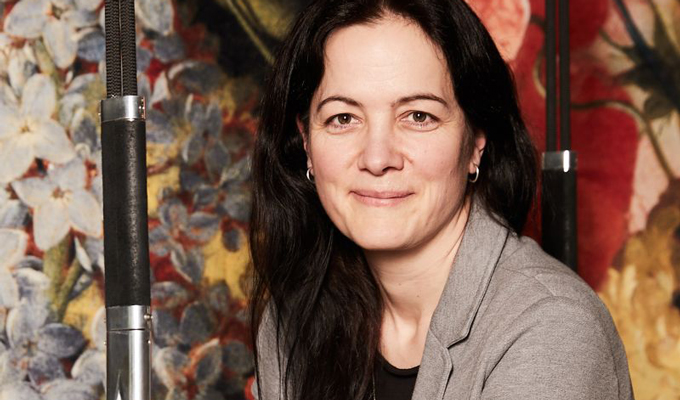
Joint Ambassador for Interdisciplinary Collaboration
The aim of Jessica Aschemann-Witzel’s new role is to expand and strengthen cross-disciplinary collaboration between Tech and BSS through activities that improve perceptions of interdisciplinary work, foster mutual understanding, and work towards incentives and systems that support collaboration across faculties.
Specifically, Jessica Aschemann-Witzel will be based at Agro one to two times a month, with her door open for informal conversations. She will also provide feedback on project ideas and facilitate workshops and new networks among colleagues from both faculties.